
“I’m Very Adamant”: Zack Snyder Sets His Own Rules for AI in Filmmaking
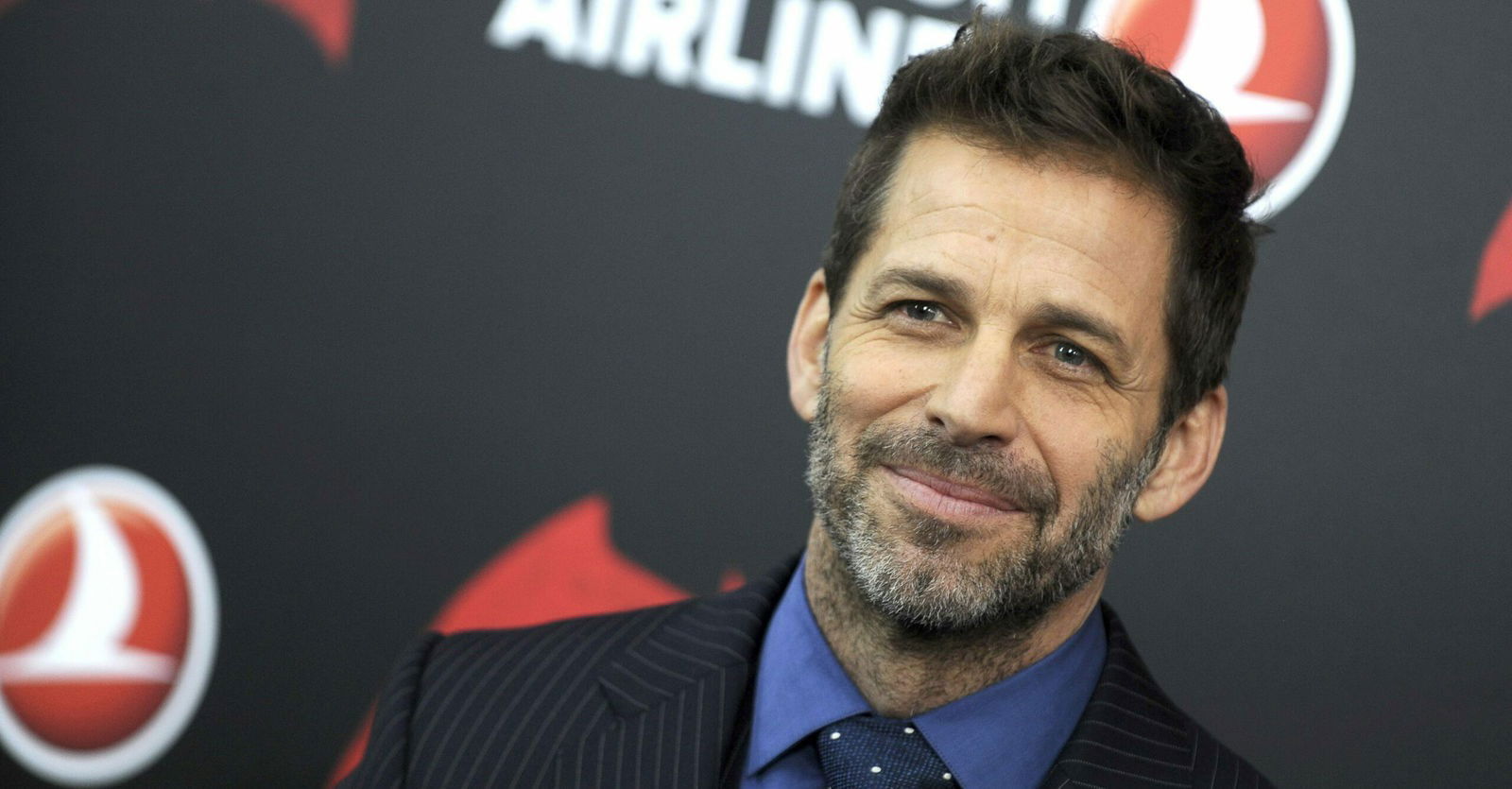
via Imago
Credits: Imago
Zack Snyder is drawing a firm line around AI in filmmaking, insisting that real people and human-controlled compositions remain at the center of his movies. The director has spent much of his career treating the camera almost like a physical instrument of authorship, from the stylized brutality of 300 to the controlled visual grammar of Watchmen and his DC films. Now, with The Last Photograph marking a far more stripped-down chapter in his career, Snyder is also confronting how quickly the technology behind modern filmmaking is changing.
There is a certain irony to Snyder discussing AI while promoting a film built around physical texture, harsh locations and a camera that had to survive the same environment as its subjects.
Zack Snyder wants the camera and people to stay human
Speaking to Variety, Zack Snyder explained that his personal rules for AI begin with who controls the image. From 300 to Watchmen and his DC films, Snyder has often treated the frame itself as a major storytelling device rather than simply a container for the action.
“My current rules on AI are that I’m very adamant that the shots are made by a person, the framing, the composition. I don’t want AI making shots,” he said.
His bigger concern, however, is not necessarily the digital removal of a prop or an invisible VFX adjustment. It is the possibility of crossing the line into replacing human performers.
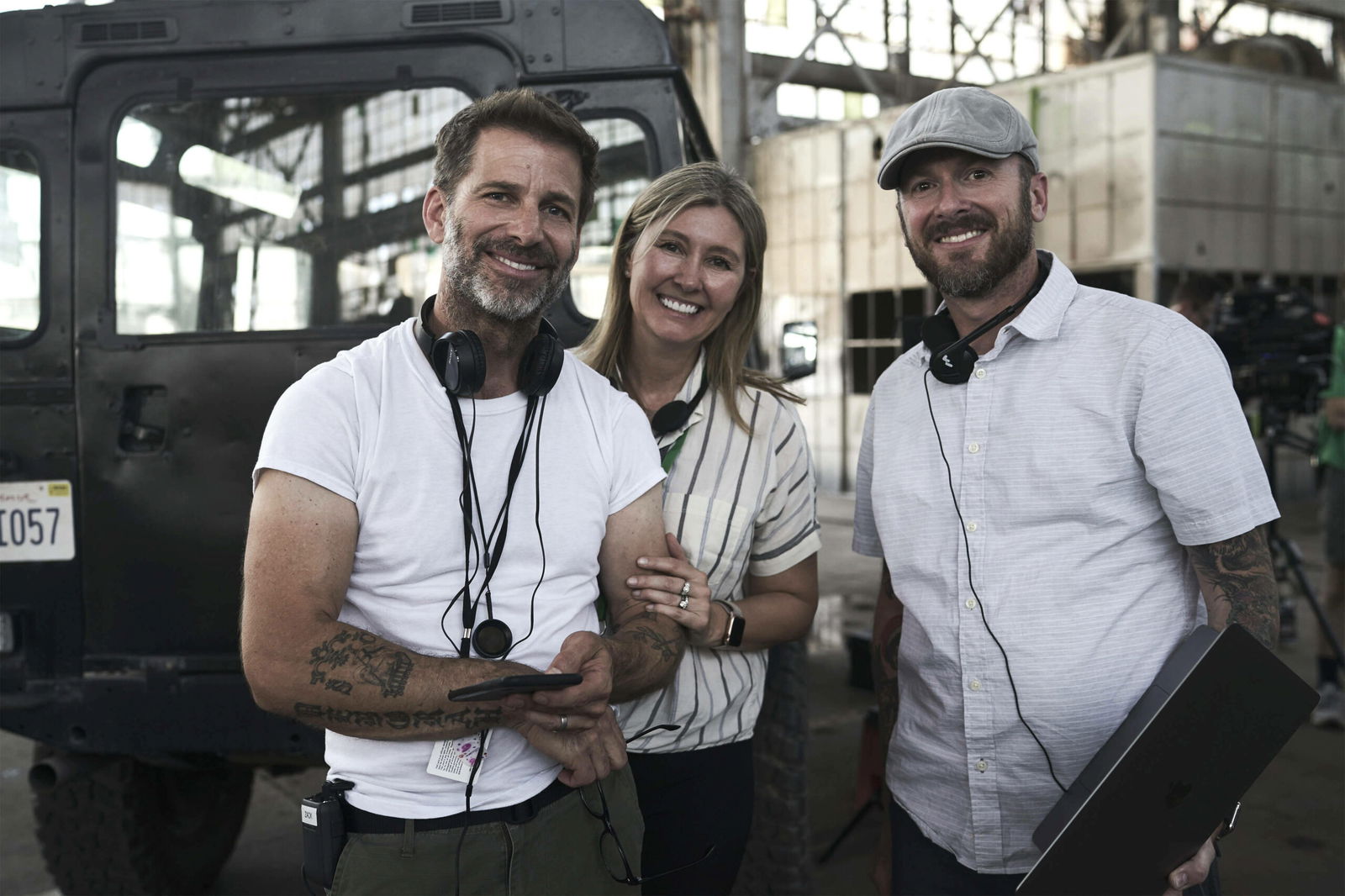
via Imago
Credits: Imago
As Variety reports, Snyder said he is very adamant that the people are real humans in the shot, while acknowledging that the boundary between CGI and AI inside contemporary VFX pipelines is becoming increasingly difficult to see. For a filmmaker who has often made composition itself part of the spectacle, that distinction matters. The technology can alter the world around the actor, but Snyder does not want it manufacturing the actor.
That position also lands differently with The Last Photograph, a film that Snyder has described as the product of a remarkably hands-on production.
The Last Photograph took two decades to reach the screen
The timing is particularly interesting because The Last Photograph arrives after Zack Snyder made his name through increasingly elaborate visual-effects pipelines. The independent war thriller premiered at the Toronto International Film Festival on September 13, and Snyder served as both director and cinematographer, shooting the film in Colombia under unusually lean conditions.
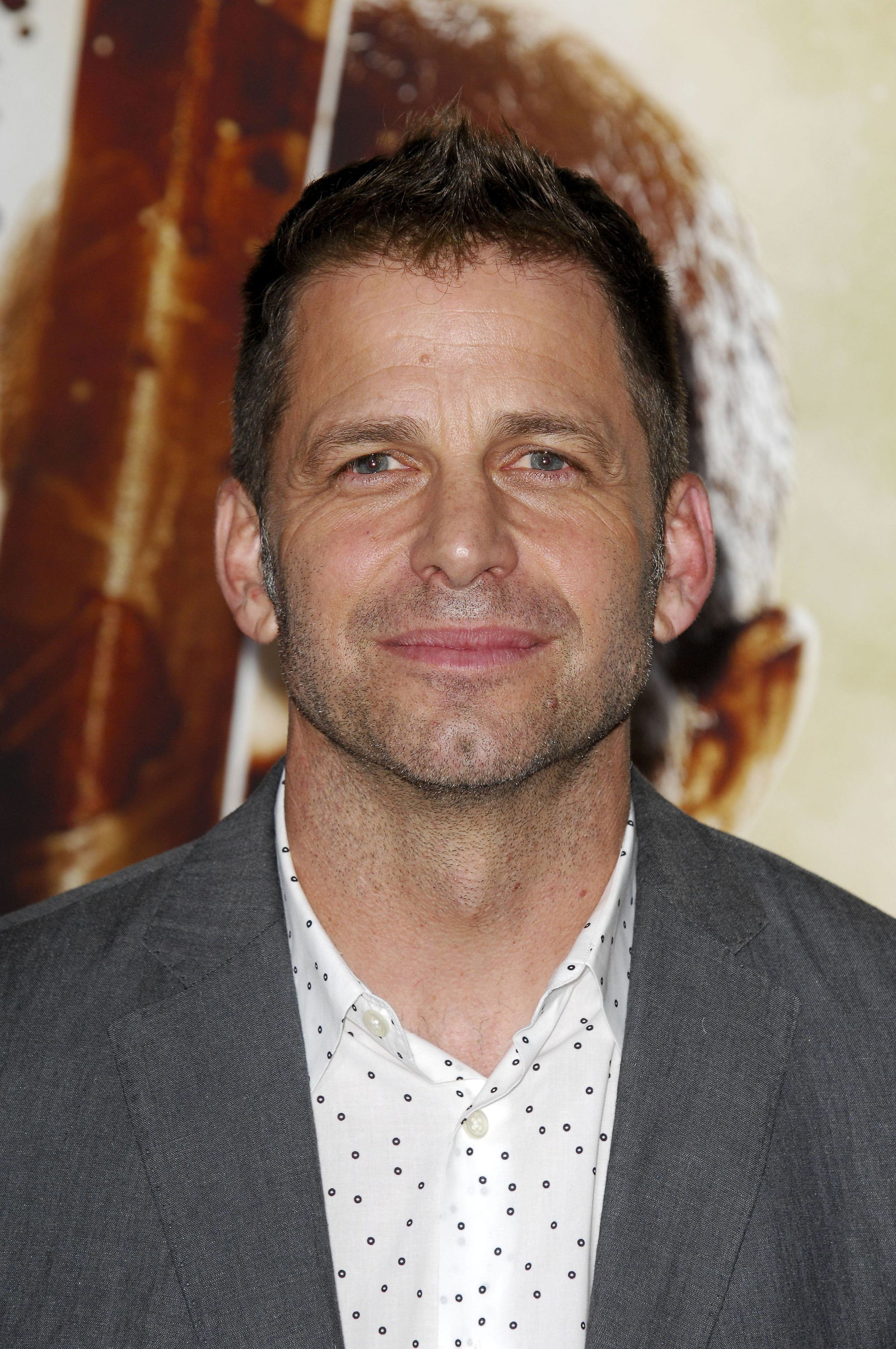
via Imago
Credits: Imago
Snyder told Variety that The Last Photograph has been “two decades” in the making, dating back to work on the project before 300. After years of interruptions caused by other productions, he finally found a small window to make it, choosing the film over another script, Illusions, based on Richard Bach’s book. The result was a 32-day shoot that Snyder credited to his team and their ability to work quickly with limited resources.
That makes his AI comments part of a larger conversation about what Snyder believes should remain tactile and authored in cinema. After decades of pursuing a project that repeatedly slipped away from him, The Last Photograph finally exists as something he could shape on his own terms.
What do you think about Zack Snyder’s rules for AI in filmmaking? Share your thoughts in the comments.

Edited By: Hriddhi Maitra
