
Alice Rohrwacher to Bring Italo Calvino’s Beloved Coming-Of-Age Tale to the Screen
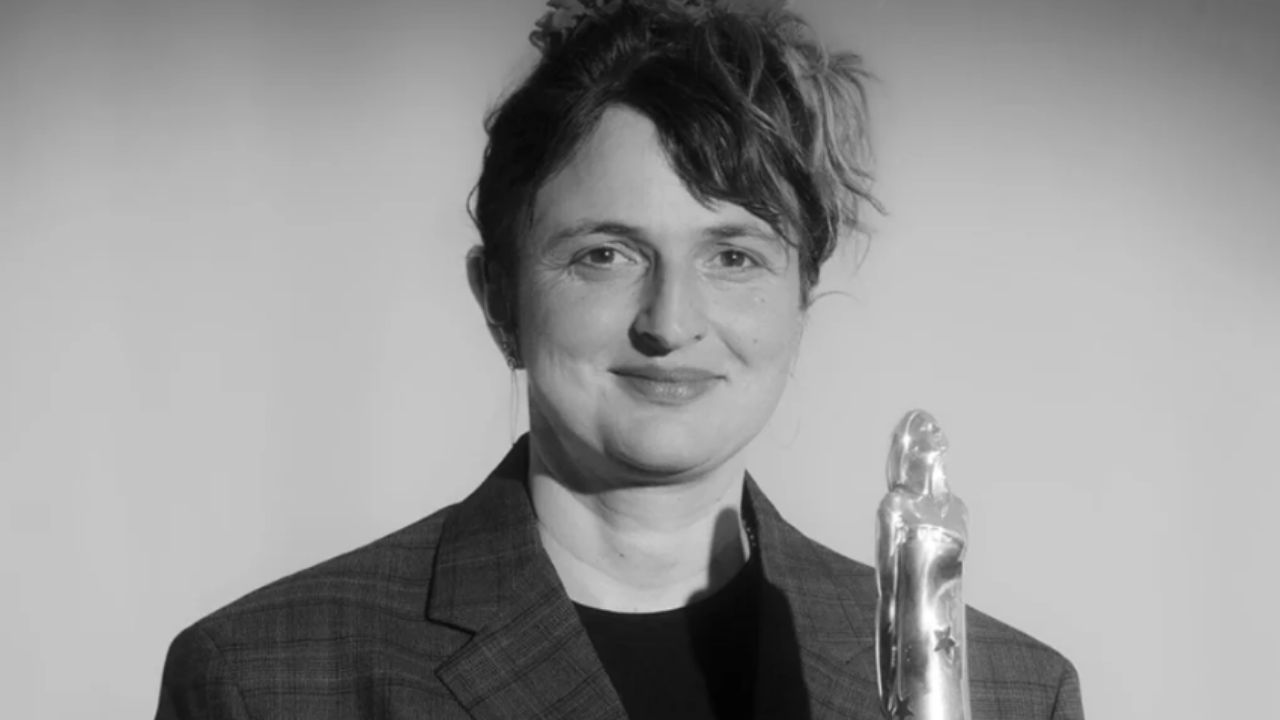
Credits: Alice Rohrwacher/@fadetoher via Instagram/Photo credits: Courtesy of the European Film Academy.
Credits: Alice Rohrwacher/@fadetoher via Instagram/Photo credits: Courtesy of the European Film Academy.
Visionary Italian filmmaker Alice Rohrwacher is officially on board to direct a cinematic adaptation of Italo Calvino’s celebrated magical realist novel. While major Hollywood studios frequently mine modern best-sellers for predictable franchise material, the visionary European filmmaker is quietly preparing to translate a monumental piece of twentieth-century literature for global silver screens. This highly anticipated cinematic venture will immerse audiences in a gorgeous, whimsical world defined by radical individualism and magical realism.
The prestigious international production team has successfully secured the rights to a truly legendary piece of European fiction.
Alice Rohrwacher’s upcoming novel adaptation
ADVERTISEMENT
Article continues below this ad
As reported by Variety, Alice Rohrwacher, celebrated for directing spellbinding magical realist films like Happy as Lazzaro and La Chimera, is officially adapting Italo Calvino's 1957 classic novel The Baron in the Trees for the big screen. The cinematic production is officially scheduled to begin production across Europe during the second half of 2027.
Published in the mid-twentieth century, this beloved literary staple stands as one of the most celebrated and studied masterpieces in modern Italian history. The highly anticipated feature film adaptation is being actively developed and produced by the prominent Rome-based production company Our Films and executives Mario Gianani and Lorenzo Mieli.
The captivating core narrative chronicles the incredible life of a twelve-year-old baron named Cosimo Piovasco di Rondò, who resides in the eighteenth century. Following a fierce, rebellious dispute with his authoritative father over an oppressive family dinner, the young aristocrat climbs up an oak tree and vows never to touch the ground again
Instead of isolating himself from humanity, the resourceful protagonist hunts, solves complex engineering problems, falls in love, and passionately corresponds with elite philosophers. Producer Lorenzo Mieli successfully secured the film rights from The Wylie Agency after years of intense negotiations and remains profoundly inspired by the immense rigor of the central character.
“The image I am most tied to with this story is not so much the boy in the tree; but the adult man who spends his entire life living in a tree,” Mieli told Variety.

The sprawling historical narrative seamlessly blends intimate coming-of-age themes with massive real-world historical turning points
Unpacking the deep metaphorical essence of The Baron in the Trees
What makes the book so special is that the protagonist, Cosimo di Rondó, climbs an oak tree to escape the oppression. Italo Calvino uses the treetops as a brilliant metaphor for self-imposed exile. By distancing himself from the rigid conventions of 18th-century society, Cosimo maintains a pure, objective vantage point.
As Cosimo navigates his arboreal kingdom, he witnesses the sweeping political changes of the Age of Enlightenment, the French Revolution, and the rise and fall of Napoleon. This allows the book to be both a coming-of-age story and a sweeping historical adventure. Calvino is celebrated for his vivid imagery and imaginative, folklore-like prose.
ADVERTISEMENT
Article continues below this ad
The novel beautifully balances magical realism with hard realism, never shying away from the loneliness and physical toll Cosimo's stubborn lifestyle causes him. The original text, The Baron in the Trees, serves as the standout second instalment of Calvino's beloved Our Ancestors trilogy, which also features The Cloven Viscount and The Nonexistent Knight. By balancing whimsical magical realism with the harsh physical realities of isolation, this upcoming novel-to-film is poised to become a landmark achievement in contemporary international cinema.

ADVERTISEMENT
Article continues below this ad
What do you think about Alice Rohrwacher's new project? Let us know in the comments.
ADVERTISEMENT

Edited By: Hriddhi Maitra
ADVERTISEMENT
ADVERTISEMENT
