
‘A Knight of the Seven Kingdoms’ Executive Producer Addresses Backlash Over Omitted Scene
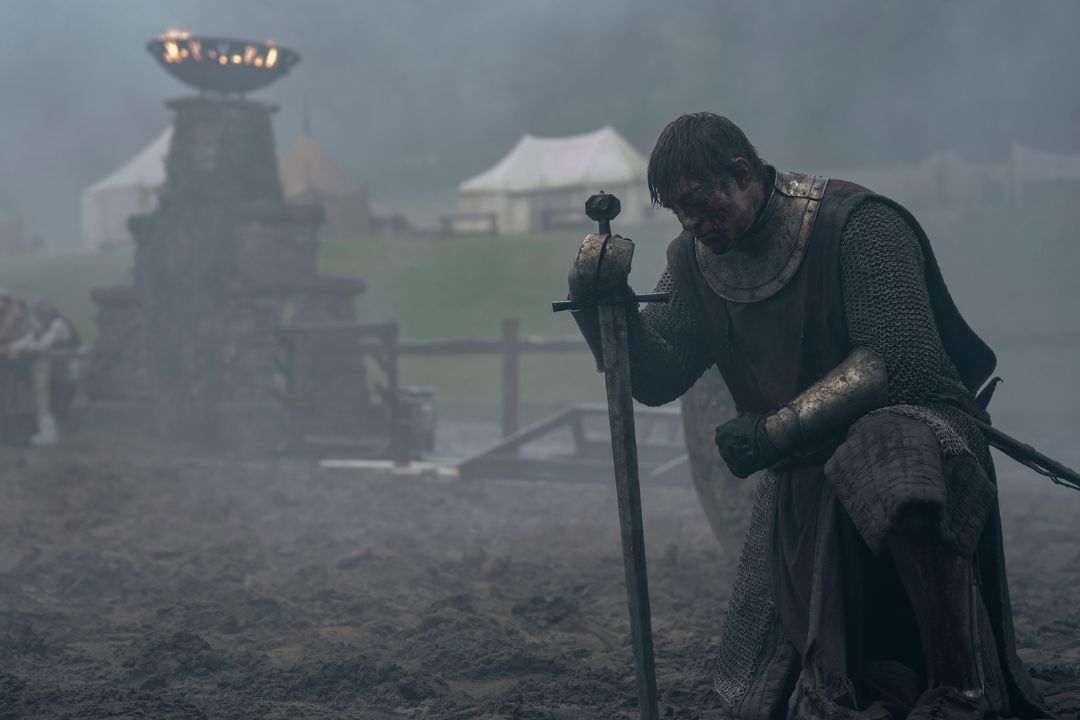
From the opening frame of A Knight of the Seven Kingdoms, it is clear this is not trying to outdo Game of Thrones in spectacle. It leans into intimacy instead, muddy roads, humble inns, and the quiet moral calculus of Ser Duncan the Tall. The premiere traces Dunk’s uneasy rise from hedge knight to reluctant contender, while the middle stretch of the season simmers with political tension at Ashford Meadow.
By the time we reach Episode 6, the series has built patiently, almost defiantly to a trial. And yet, for all its triumphs, the creator is now openly reckoning with a misstep that book readers felt in their bones.
Ira Parker addresses the omitted scene
ADVERTISEMENT
Article continues below this ad
During a Reddit AMA, showrunner Ira Parker confronted the question head-on.
“Honestly it was a mistake on my part,” he admitted. “Not my first, not my last on this show. That scene was in the script at one point, then fell out.”
He acknowledged that the line “a knight who remembered his vows” is the soul of this story, adding that even if it was not spoken aloud, that is still very much at the core of the show. For readers of The Hedge Knight by George R. R. Martin, the absence was palpable.
In the novella, as Dunk approaches the tourney grounds after receiving his shield from Steely Pate, he finds smallfolk gathered to bless him, grateful for his defense of a common girl against royal cruelty. Dunk is baffled. “What am I to them?” he asks. Pate’s answer, “A knight who remembered his vows” crystallizes the entire Dunk and Egg ethos.
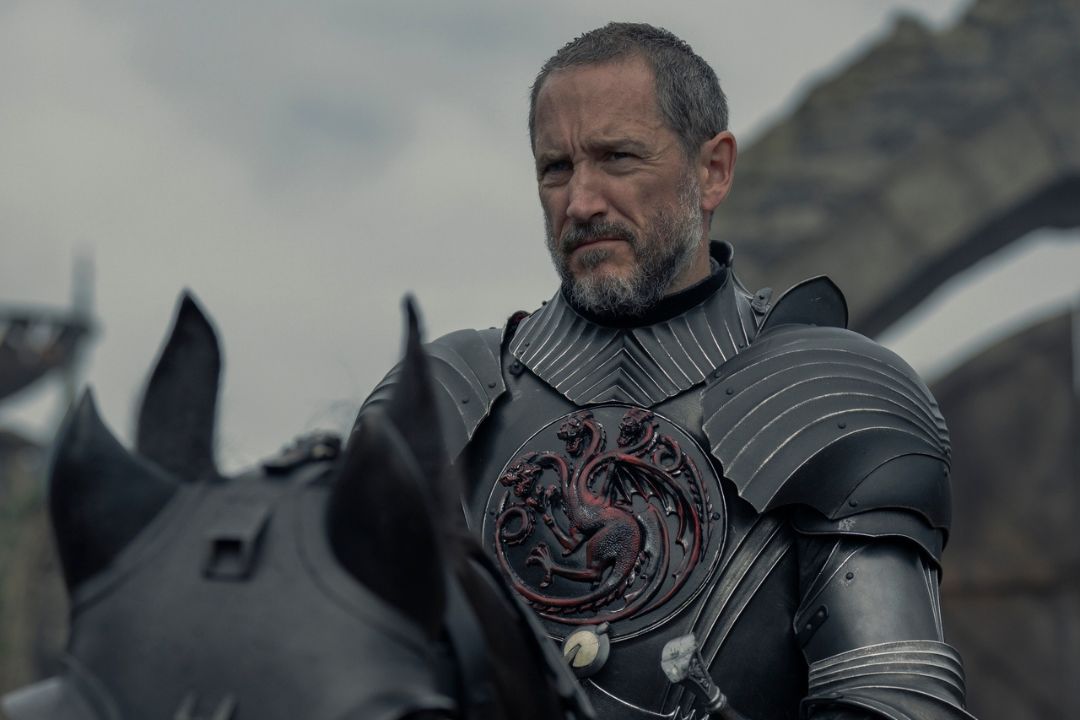
But that admission opens a larger question: what exactly did we lose in translation from page to screen?
What the missing scene might have looked like on screen
Speculatively, the show might have staged the moment at dawn: Dunk emerging in borrowed armor, expecting scorn, only to be met with rough hands pressing tokens into his gauntlets, bread, ribbons, and whispered prayers. No swelling score, just wind and murmured gratitude. It would have reframed the trial by seven as something larger than noble infighting: a rare alignment between knight and commoner.
Instead, the episode pivots from Dunk and Pate’s shield conversation to a quieter, more restrained crowd. The omission does not dismantle the narrative, but it shifts its emphasis. In Martin’s version, the Ashford trial affirms that Dunk fights not merely for honor, but for people who rarely see justice.
ADVERTISEMENT
Article continues below this ad
The season itself ends much as the book does: with the brutal trial resolved, reputations altered, but it is not clear whether Dunk and Egg set out once more, however young Egg has already spoiled the ending. In the novella, Baelor Breakspear’s fate underscores the cost of principle; the show preserves that gravity while softening none of its sting.
Is the series over? For now, it concludes this arc of The Hedge Knight, but the broader 'Tales of Dunk and Egg' leave narrative room for adaptation. Westeros, after all, is vast.
ADVERTISEMENT
Article continues below this ad
What did you think of the omission? Share your thoughts.
ADVERTISEMENT

Edited By: Hriddhi Maitra
ADVERTISEMENT
ADVERTISEMENT
