
‘A Fantastic Woman’ Filmmaker Sebastián Lelio Dies at 52, Leaving Behind an Acclaimed Legacy
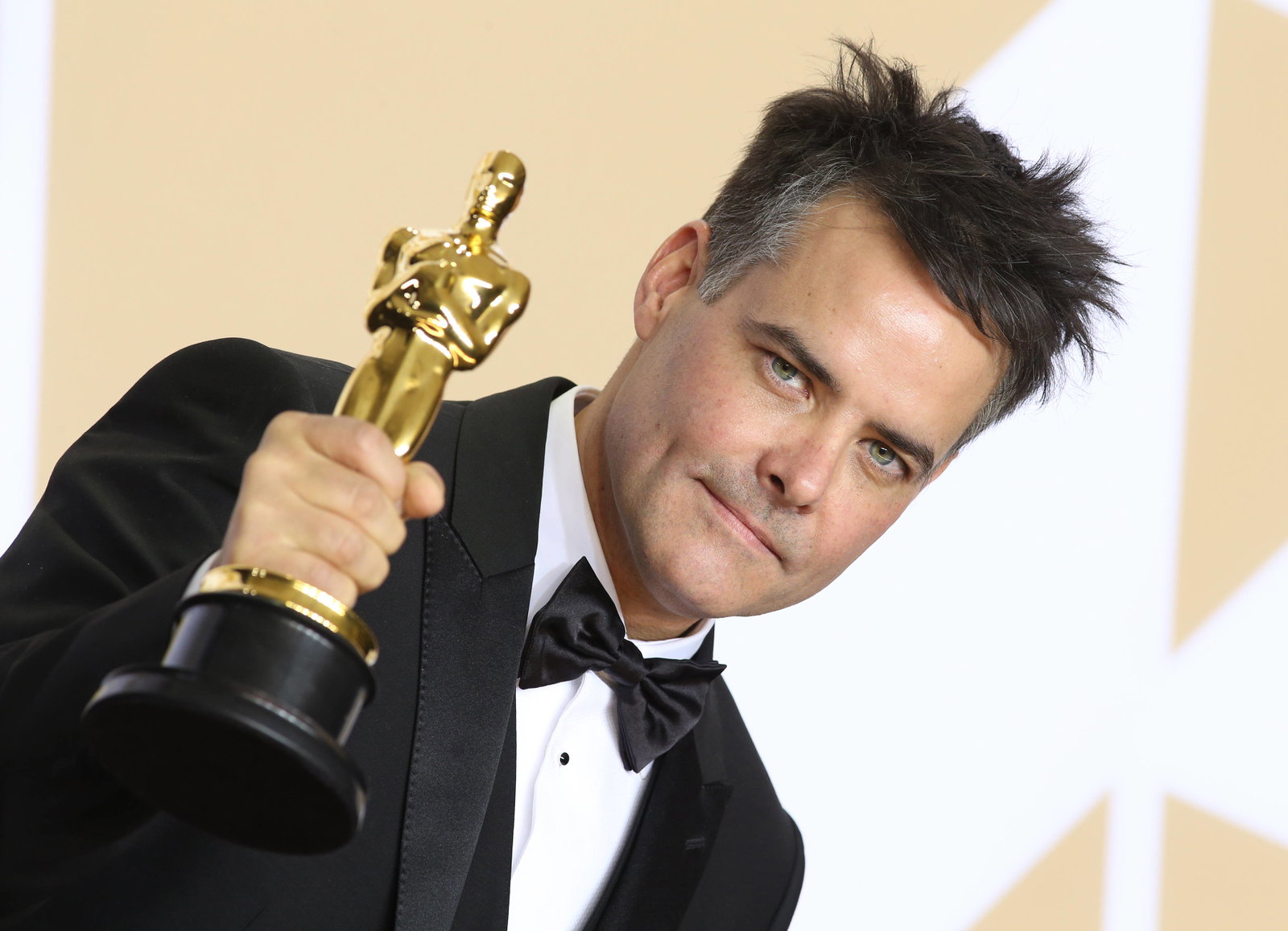
Sebastián Lelio’s A Fantastic Woman made history at the 2018 Academy Awards, becoming the first Chilean feature to win the Oscar for Best Foreign Language Film, now known as Best International Feature. Led by Daniela Vega, the film placed a transgender woman’s fight for dignity and the right to grieve at the center of a story that resonated far beyond Chile. Its victory marked a defining moment for South American cinema, bringing international attention to a filmmaker who had long been drawn to stories society often pushed to the margins.
The film’s Oscar triumph now takes on a deeply personal significance, as the filmmaker behind its groundbreaking vision is being remembered not only for his contribution to cinema but also for the legacy he leaves behind.
Sebastián Lelio, the Oscar-winning filmmaker behind A Fantastic Woman, dies at 52
Sebastián Lelio, the Chilean writer-director whose work included A Fantastic Woman Gloria, Disobedience, Gloria Bell and The Wonder, has died at the age of 52. According to The Hollywood Reporter, the filmmaker was found dead at his home in the Las Condes commune of Santiago on Friday, November 6, by his partner, Amalia Kassai.
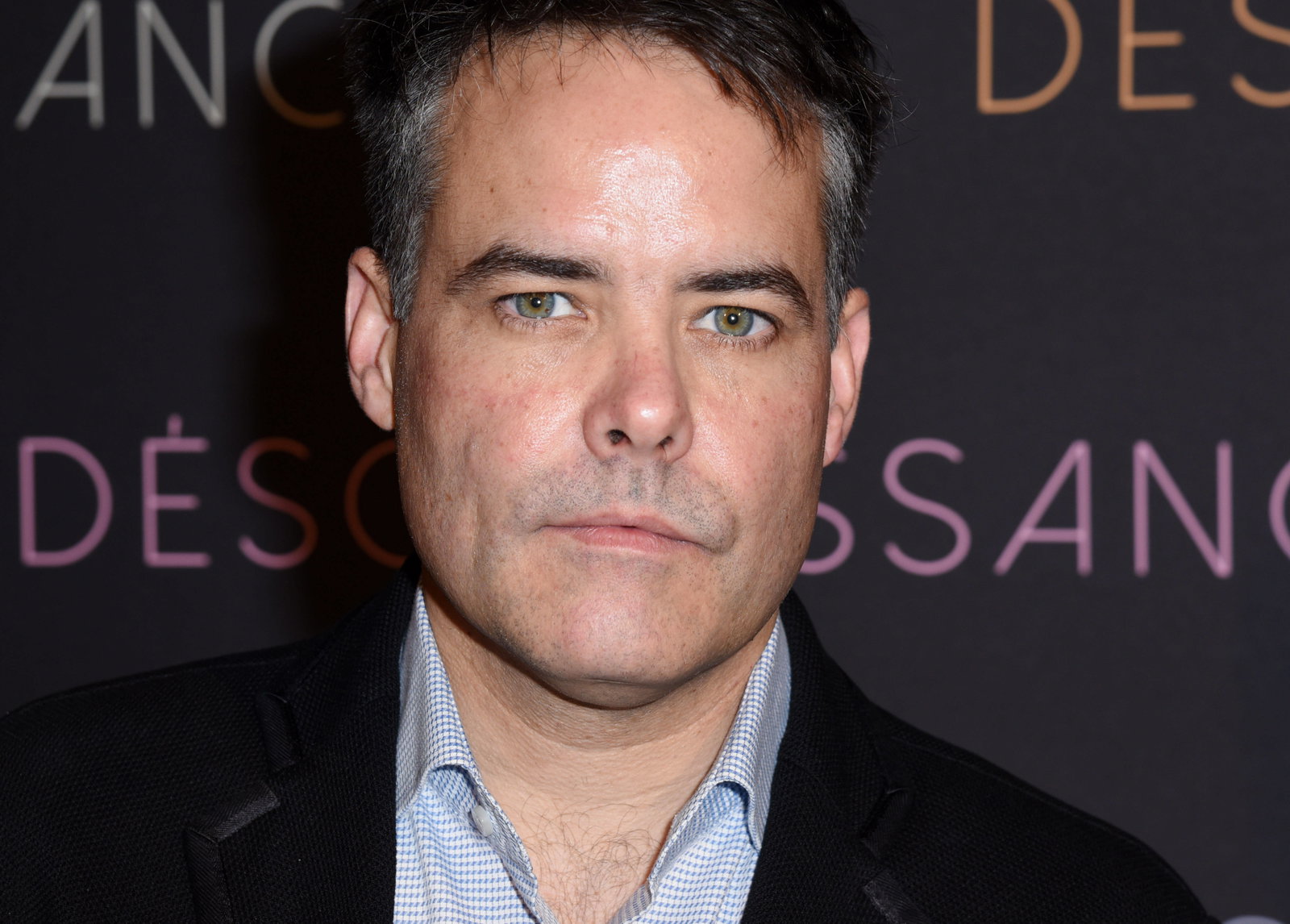
Chilean outlet El Mercurio Online also reported that Kassai discovered him at the residence. His family announced his death in a statement, citing health reasons without disclosing a specific cause.
Born in Mendoza, Argentina, in 1974, Lelio moved to Chile with his family when he was two. His filmmaking journey began with short films before his feature debut, The Sacred Family, in 2005. Gloria (2013), centered on a middle-aged divorcee played by Paulina García, became a major breakthrough, earning acclaim at the Berlin International Film Festival. Lelio later directed its English-language counterpart, Gloria Bell, with Julianne Moore. His cinema consistently gave complicated, overlooked women room to exist beyond society’s expectations.

Yet Lelio’s Oscar-winning achievement was never the entirety of his story. His filmography continued to cross borders, languages and genres, while returning to one persistent question: whose experiences deserve to occupy the center of the frame?
From Disobedience to The Wave, Sebastián Lelio kept challenging conventions
Sebastián Lelio carried that sensibility into English-language cinema with Disobedience (2017), starring Rachel Weisz and Rachel McAdams as two women confronting desire and religious expectations within an Orthodox Jewish community. He followed it with Gloria Bell, before directing Florence Pugh in The Wonder (2022), a period drama examining faith, belief and the cost of enforcing social conformity. They reflected Lelio’s interest in people negotiating the boundaries imposed on them by family, tradition and institutions.
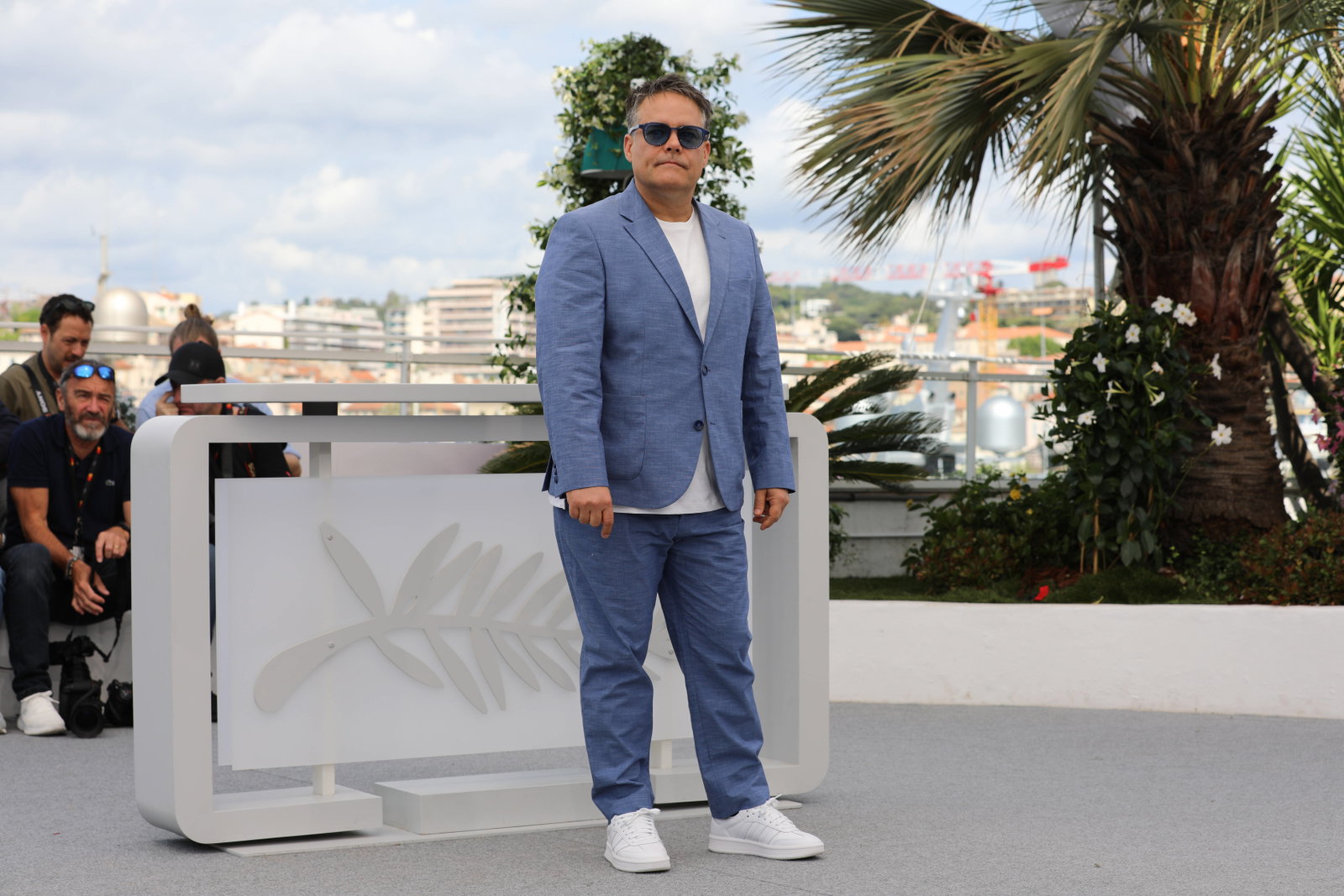
His final completed feature, The Wave, premiered at Cannes in 2025. Inspired by Chile’s 2018 feminist protest movement, the musical brought collective resistance and political expression into an ambitious cinematic spectacle. In an interview with BioBioChile, Lelio described it as a political, aesthetic and human kaleidoscope, reflecting his interest in giving different generations and perspectives a voice. He had also begun filming Chilean Poet, adapted from Alejandro Zambra’s novel, in September 2026. The project was still in production when he died.
Lelio leaves behind a body of work that helped bring Chilean cinema to a wider international audience without losing sight of the people and social realities that shaped it. His films will continue to invite audiences to look beyond familiar narratives and recognize the humanity in lives too often overlooked.

What is your favorite Sebastián Lelio film, and how do you think his work changed the landscape of international cinema? Share your thoughts in the comments.

Edited By: Aliza Siddiqui
