
What Is Kanye West Is Not Picasso? The Poem, Story, and Why Leonard Cohen Wrote It
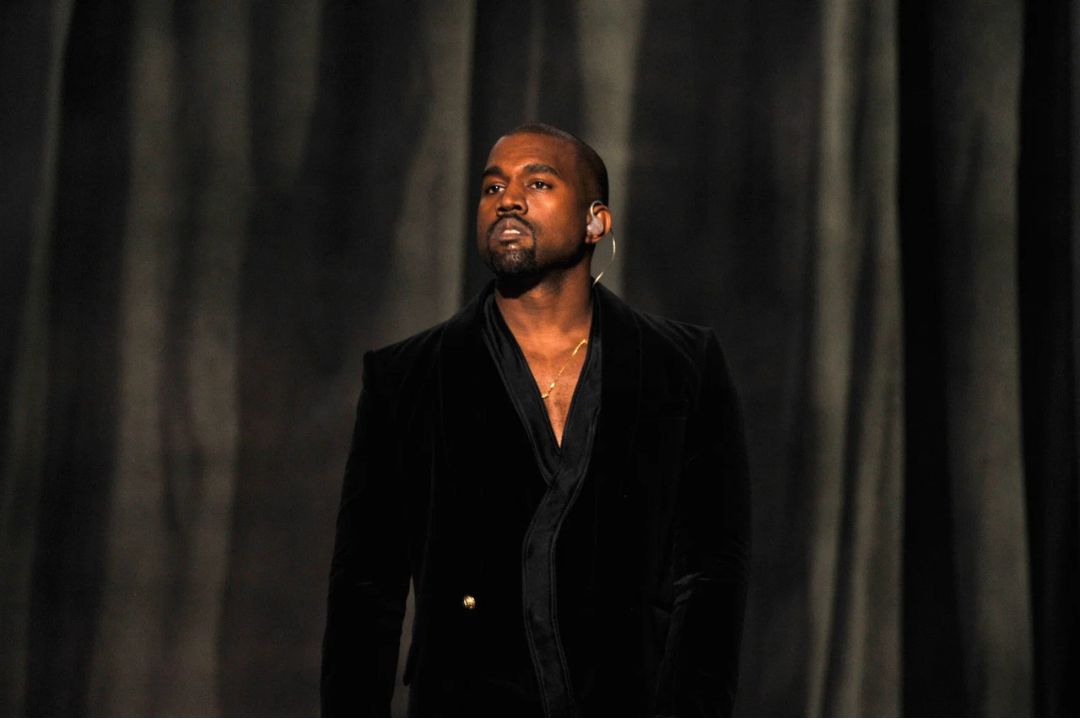
Two artists from different musical galaxies once crossed paths in the strangest way imaginable. One was the gravel-voiced poet of melancholy hymns; the other, a restless architect of modern hip-hop spectacle. The idea that Leonard Cohen and Kanye West could occupy the same cultural moment almost feels surreal, yet they did, and what emerged from that overlap was something that sounded like a rap diss but read more like a philosophical riddle, the poem, titled Kanye West is not Picasso.
But titles, like egos, are deceptive. What is this poem really saying? What current does it carry beneath its deceptively simple lines?
What is the poem that Leonard Cohen wrote?
ADVERTISEMENT
Article continues below this ad
First published in The Flame in 2018, the poem arrived after Leonard Cohen’s death at 82 in 2016, as a final note slipped under the door. Written in 2015, just a year before he passed, the poem is like a controlled detonation of identity. Cohen declares, repeatedly, “I am…” Picasso, Edison, Tesla, Dylan, even Kanye himself, collapsing centuries of genius into a single, flickering voice.
In the poem, Cohen adopts the swaggering language of cultural self-mythology and turns it into a surreal chant:
I am Picasso
Kanye West is not Edison
I am Edison
I am Tesla
Jay-Z is not the Dylan of anything
I am the Dylan of anything
I am the Kanye West of Kanye West
The Kanye West
Of the great bogus shift of bullshit culture
From one boutique to another
I am Tesla
I am his coil
The coil that made electricity soft as a bed
I am the Kanye West Kanye West thinks he is
When he shoves your ass off the stage
I am the real Kanye West
I don't get around much anymore
I never have
I only come alive after a war
And we have not had it yet
According to the foreword by his son, Adam Cohen, The Flame represents his father’s final creative breath, “what he was staying alive to do.” It was a late-career reflection, written by a man who had already outlived most of his contemporaries, now looking at a new kind of cultural noise.
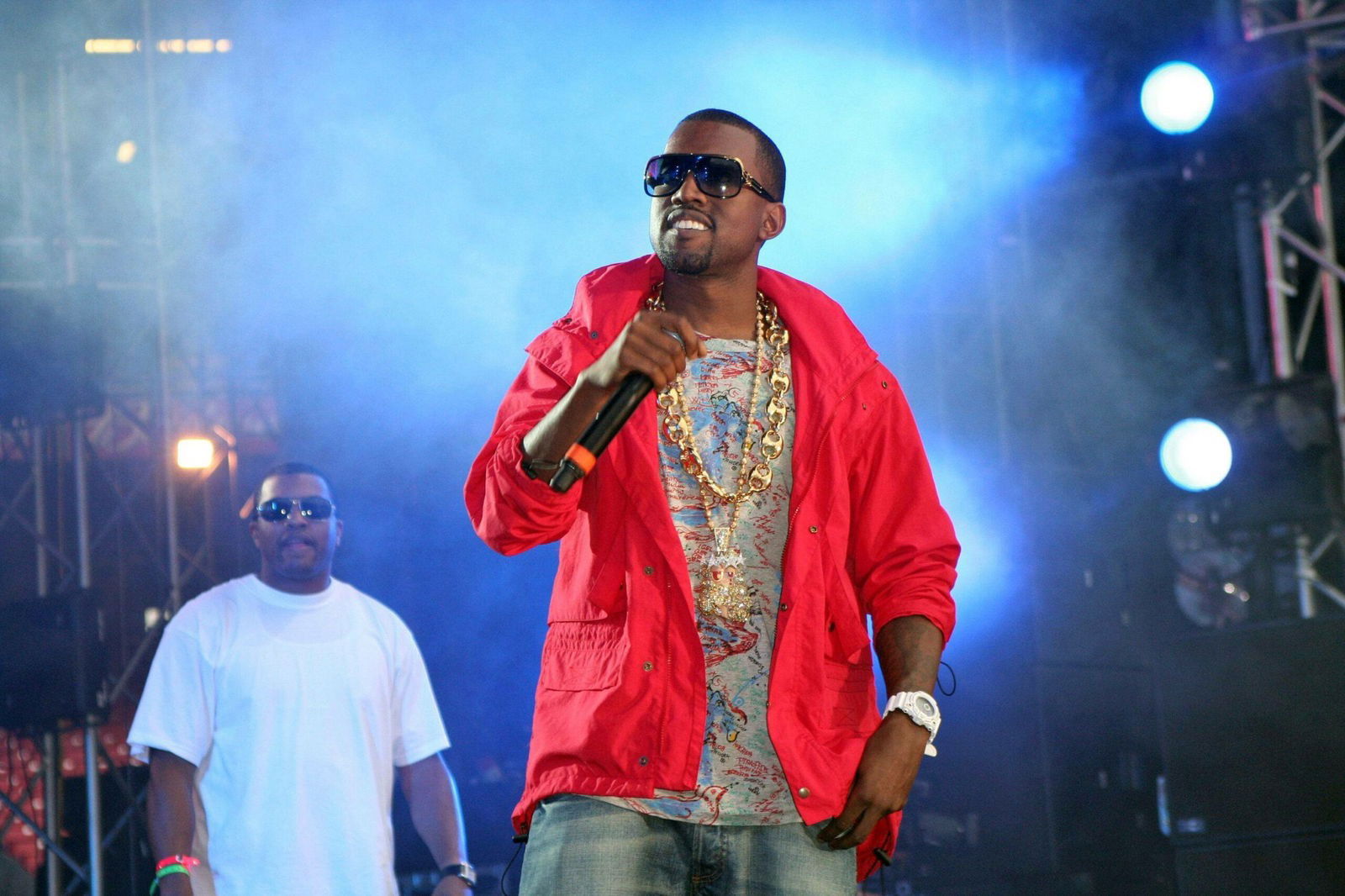
But why Kanye West? For the creator of ‘Suzanne’ and ‘Dance Me To The End Of Love’, to jump into a rap battle of sorts, there is a trajectory of strange, almost theatrical pieces.
Why is the story behind Leonard Cohen's poem
The answer lies not in opposition, but in imitation. The poem mirrors the cadence and confidence of Kanye West’s public persona, before he faced outright bans from countries during his Yeezus-era peak, a time when the rapper frequently positioned himself alongside historical geniuses. During a concert rant in Paris on February 26, 2013, West bluntly declared, “I am Picasso,” placing himself in a lineage of visionary creators alongside figures like Walt Disney and Steve Jobs.
He doubled down on that comparison two years later during a speech at University of Oxford in March 2015, explaining that his ultimate goal was to become “Picasso or greater” in the world of art, design, and culture.
Why did Leonard Cohen write Kanye West Is Not Picasso
It was for this reason that the late Canadian poet and songwriter Leonard Cohen responded with a wry, contemplative poem. In it, Cohen gently but pointedly reflects on West’s self-mythologizing, contrasting the quiet gravity of Picasso’s legacy with the spectacle of modern celebrity ambition. And yet, what emerged from that overlap is often misread. A poem. A gesture. A mirror held up not just to a man, but to the idea of being one.
ADVERTISEMENT
Article continues below this ad
What makes it even more intriguing is that Cohen had previously spoken with admiration about West. In a 2014 interview with the Wall Street Journal, he praised the rapper’s “energy” and “resonance of truth,” language that Cohen rarely used lightly. The poem, then, does not emerge from disdain, but from recognition.
Critics and readers have since interpreted the poem as a “playful jab,” but that feels reductive. It is, more precisely, a meditation on legacy, how it is constructed, performed, and eventually surrendered. Both Cohen and West, in their own ways, wrestle with the burden of being called “genius.” One does it through silence and scripture; the other through amplification and disruption.
ADVERTISEMENT
Article continues below this ad
What do you make of Kanye West is not Picasso? Is it satire, tribute, or something more elusive? Share your take in the comments.
ADVERTISEMENT

Edited By: Adiba Nizami
ADVERTISEMENT
ADVERTISEMENT
