
Top 7 Michael Jackson Documentaries You Need to Watch to Catch Up on What ‘Michael’ Missed
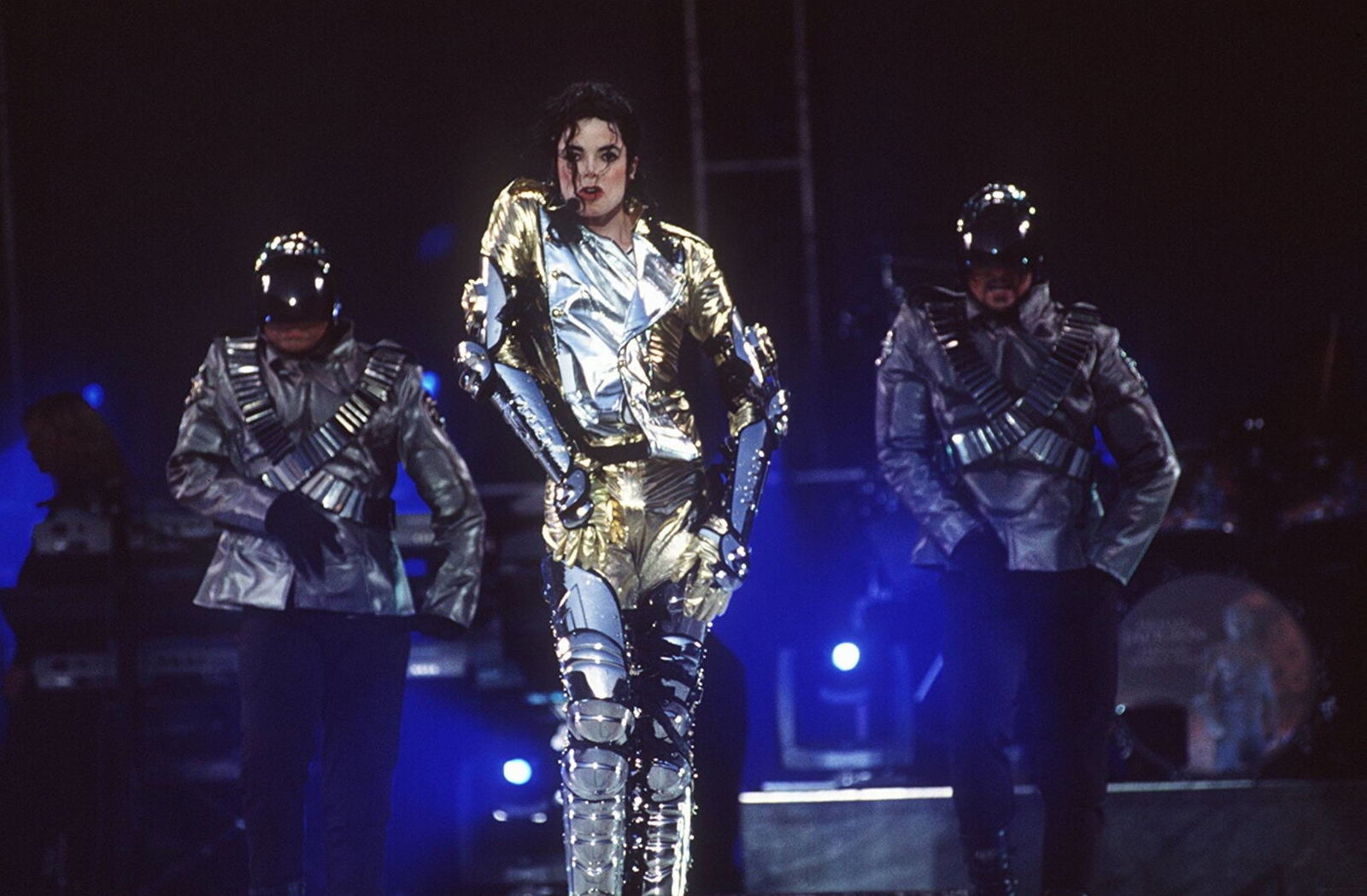
via Imago
Credits: IMAGO / teutopress
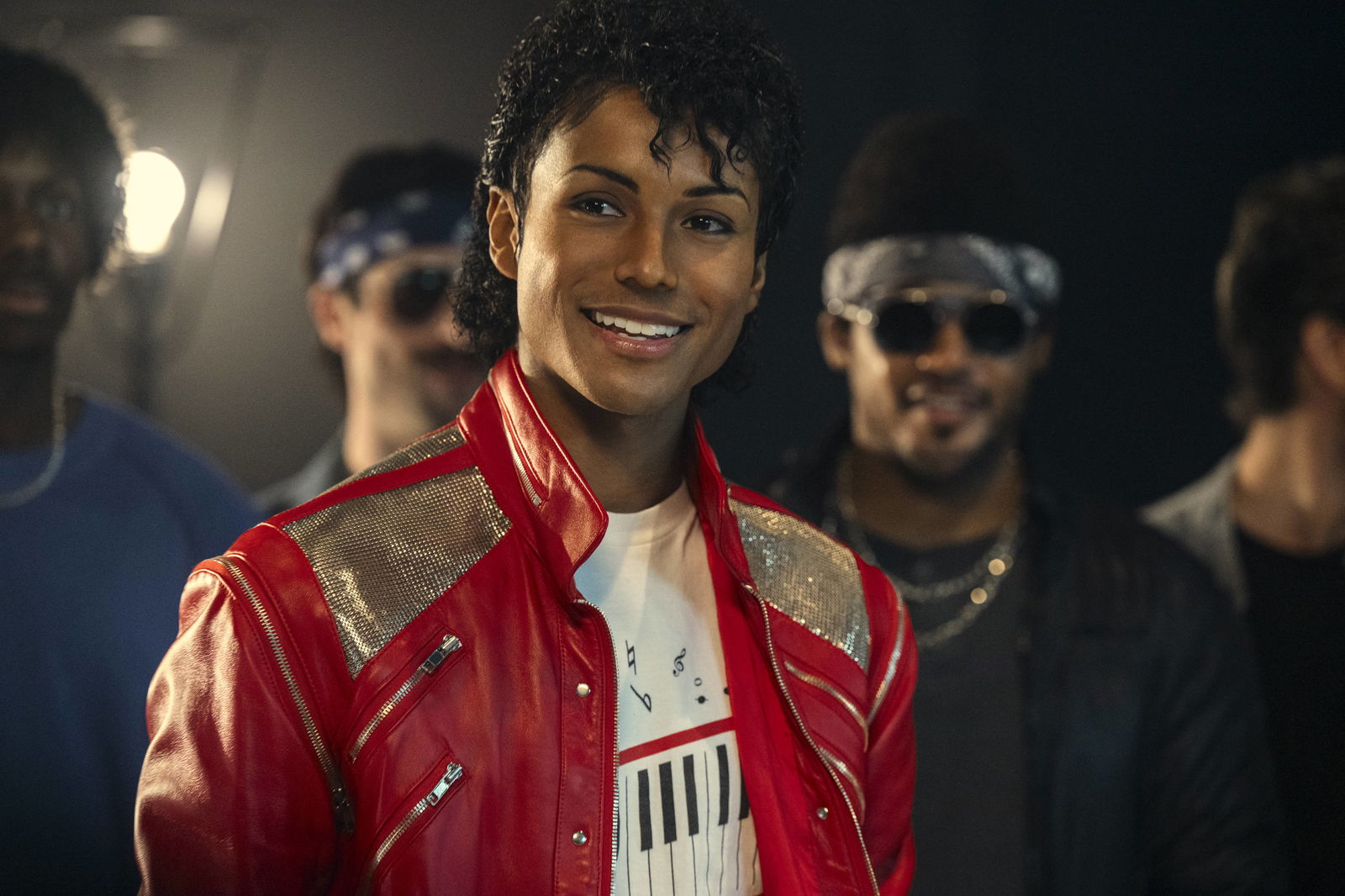
The box office has already written its headline. Michael has surged past Oppenheimer to claim the biggest opening weekend for a biographical drama, $40 million to Oppenheimer’s $33 million cementing Michael Jackson once again at the center of global conversation. Yet beneath that triumph sits a quieter reality: the film, led by Jaafar Jackson, underwent extensive recalibration, with several contentious chapters either condensed or omitted, particularly around the Bad era and its surrounding narratives.
And so, the cinematic portrait feels curated rather than exhaustive. If the biopic offers a polished silhouette, where does one turn for the deeper, more intricate contours of Jackson’s life? The answer lies in documentary cinema, where archival truth, contested memory, and cultural myth intersect with far greater complexity.
Michael Jackson's This Is It
ADVERTISEMENT
Article continues below this ad
Directed by Kenny Ortega, this 2009 release assembles rehearsal footage from the planned This Is It residency at London’s O2 Arena. Shot in the final weeks before Michael Jackson’s death, it inadvertently became a posthumous chronicle of artistic discipline and creative control at an advanced stage of his career. Industry coverage from outlets like Variety and The Hollywood Reporter at the time emphasized its unprecedented access to rehearsal environments typically shielded from public view.
The documentary foregrounds Jackson’s meticulous approach, his attention to sonic layering, choreography precision, and visual staging, while consciously steering away from the controversies that had long dominated headlines. This curatorial choice drew both praise and critique: some regarded it as a respectful tribute, others as a selective narrative. The film is widely available on platforms such as Apple TV and AMC+.
But where This Is It preserves the performer in motion, it leaves the courtroom shadows largely untouched.
Michael Jackson: The Trial
Emerging in 2026, this multi-part series reconstructs the 2005 criminal trial involving allegations brought by Gavin Arvizo. Drawing upon courtroom transcripts, contemporaneous news footage, and previously unreleased recordings, it situates viewers within the procedural intensity of the case. Coverage from networks like Channel 4 underscores its attempt to contextualize not only the legal proceedings but also the media ecosystem that amplified them.
Its reception has been sharply divided. While some critics highlight its detailed chronology and evidentiary framing, others argue that revisiting adjudicated events risks re-sensationalizing trauma. The documentary’s presence on Apple TV and Channel 4 reflects both its global reach and its continued relevance within discussions of media ethics.
Michael Jackson: An American Tragedy
Positioned as a narrative bridge between acquittal and death, this 2026 docuseries examines the final phase of Michael Jackson’s life, marked by attempted reinvention, financial recalibration, and the looming This Is It comeback. Publications such as The Guardian have noted its effort to situate Jackson within the broader machinery of celebrity economics, particularly the posthumous monetization of his estate.
The series navigates a tonal duality: part cultural analysis, part character study. Its portrayal of legacy management, how narratives are shaped after death has sparked debate over whether it interrogates or inadvertently perpetuates commodification. It streams on BBC iPlayer and Apple TV.
Leaving Neverland
Directed by Dan Reed, this HBO documentary remains one of the most consequential entries in Jackson-related media. Through extended interviews with Wade Robson and James Safechuck, it presents detailed allegations of abuse, structured across a four-hour narrative. Critical reception from The New York Times and BBC described it as both meticulous and emotionally exhaustive.
Its release triggered a global cultural reckoning, radio stations reconsidered Jackson’s catalog, public monuments were debated, and the Jackson estate mounted legal challenges. While praised for its testimonial depth, it has also faced scrutiny for its singular perspective. The film is accessible via Apple TV and Channel 4.
Michael Jackson: The Legend Continues
This late-1980s documentary captures Michael Jackson at the zenith of his Bad era, before the onset of major controversies. Featuring archival footage and interviews with collaborators such as Quincy Jones, it reflects the prevailing media narrative of Jackson as an unparalleled cultural force.
Its historical value lies in its temporal context, it documents how Jackson was perceived prior to the fractures that would later define his public image. While lacking critical interrogation, it offers an essential baseline for understanding the evolution of his legacy. It circulates across archival platforms and select digital rentals.
Bad 25
Directed by Spike Lee, this documentary commemorates the 25th anniversary of the Bad album with a focus on artistic process. Drawing on studio recordings, rehearsal tapes, and interviews with key collaborators, it reconstructs the creative ecosystem that produced one of pop’s defining works. Scholarly discussions in music journalism frequently cite it as a benchmark for archival storytelling.
The film’s emphasis on craftsmanship, arrangement, vocal layering, and production design offers a counterbalance to more controversy-driven narratives. However, its deliberate avoidance of contentious topics has been noted in critical reviews. It is available on streaming platforms including Netflix and Apple TV in various regions.
Michael Jackson: The Life of an Icon
Directed by Andrew Eastel, this documentary presents a longitudinal account of Jackson’s life, anchored by interviews with family members such as Katherine Jackson. It traces his trajectory from The Jackson 5 through to global superstardom, integrating both personal testimony and public milestones.
ADVERTISEMENT
Article continues below this ad
Critics have observed its sympathetic orientation, particularly in its framing of controversies, yet it remains significant for its access to intimate perspectives often absent from more investigative works. The film is available via Amazon Prime Video and Apple TV, contributing to its continued circulation.
No single film can fully resolve the contradictions that define Michael Jackson’s life and legacy. The biopic may dominate theatres, but these documentaries collectively construct a far more layered archive, one that oscillates between reverence, scrutiny, and unresolved inquiry.
ADVERTISEMENT
Article continues below this ad
The question, then, is not which version is definitive, but which perspective you find most compelling. Share your take in the comments.
ADVERTISEMENT

Edited By: Hriddhi Maitra
ADVERTISEMENT
ADVERTISEMENT
