
Steven Soderbergh Teases a Mysterious AI-Infused Sequence in His John Lennon–Yoko Ono Documentary
Steven Soderbergh’s upcoming documentary is already generating curiosity for its unconventional approach to storytelling. Rather than attempting a broad overview of John Lennon and Yoko Ono’s lives, the film narrows its focus to a deeply personal and historically significant moment: their final radio interview together in December 1980. Built largely from archival material, the project leans into authenticity while still exploring creative ways to visualize moments that go beyond recorded footage.
What is drawing even more attention is how Soderbergh plans to enhance this intimate narrative with a subtle layer of generative AI. With only a small portion of the film utilizing this technology, the director’s approach hints at something more artistic than experimental, a deliberate attempt to complement, rather than overshadow, the voices at the heart of the story.
A glimpse into Steven Soderbergh’s AI experimentation
ADVERTISEMENT
Article continues below this ad
Steven Soderbergh’s use of generative AI in the documentary is minimal but meaningful, designed to appear in brief, carefully placed segments. These sequences emerge when John Lennon and Yoko Ono’s conversation drifts into abstract or philosophical territory, where literal visuals fall short. Instead of recreating reality, the AI-generated imagery aims to evoke a dreamlike quality that mirrors the depth of their words.
“AI has been helpful in creating thematically surreal images that occupy a dream space rather than a literal space. And that’s been really fun because you need a Ph.D. in literature to tell it what to do. But like every other piece of technology, it desperately requires very close human supervision,” Soderbergh shared his perspective in a recent interview with Filmmaker Magazine.
His comments highlight a key theme in the project, the idea that AI is not replacing storytelling but enhancing it under careful human direction. The emphasis remains on intention and control, ensuring that the technology supports the narrative rather than defines it. This measured use of AI also reflects Soderbergh’s long-standing openness to evolving filmmaking tools while maintaining artistic integrity.
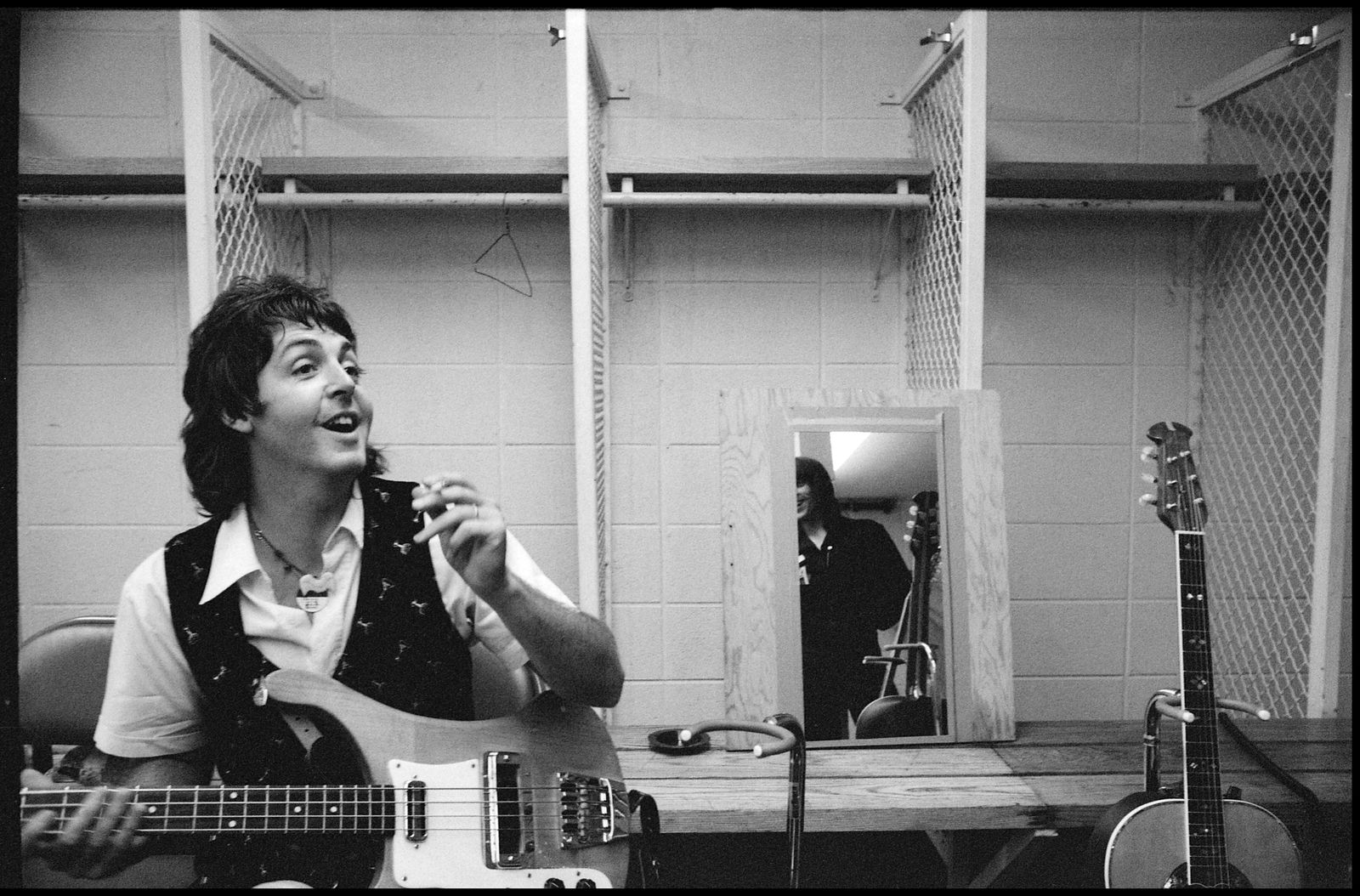
While the documentary focuses on a singular, intimate moment in Beatles history, the band’s larger legacy is also being reimagined on a much grander scale through an ambitious new cinematic project.
The Beatles reimagined for the big screen
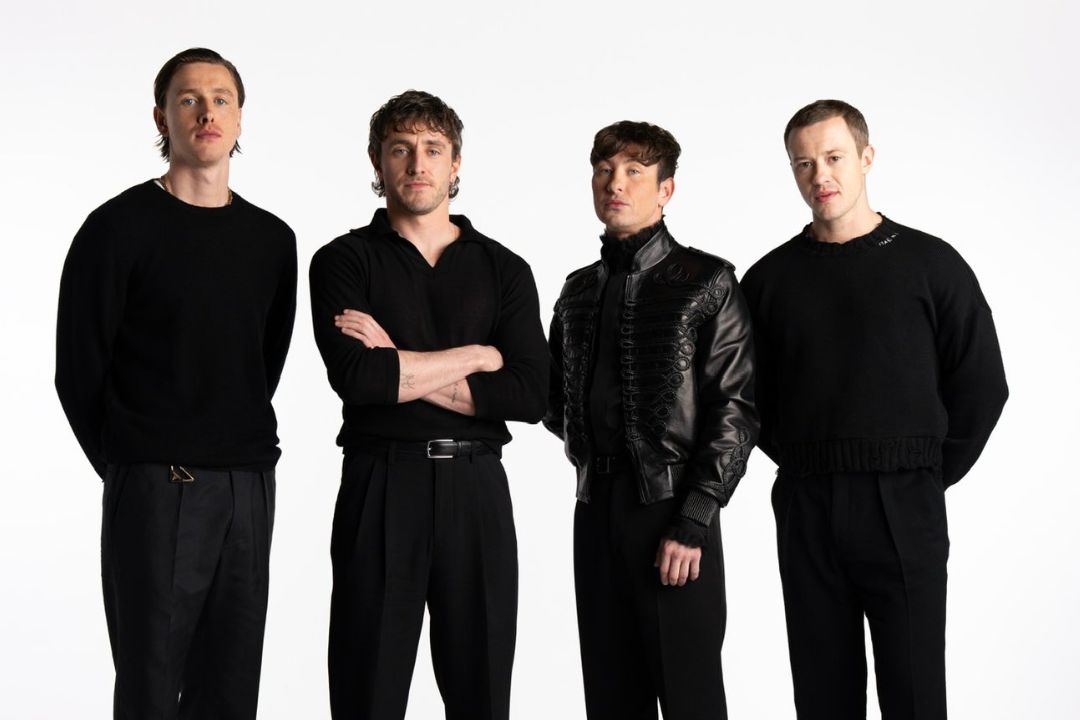
Fans have finally been given a glimpse of the actors stepping into the roles of one of the most iconic bands in music history, as The Beatles – A Four-Film Cinematic Event begins to take shape. Postcards shared by the Liverpool Institute for Performing Arts reveal the cast in character, offering an early look at their transformations and hinting at the scale of the production’s vision. The biopic is scheduled for global release on April 7, 2028.
ADVERTISEMENT
Article continues below this ad
The ensemble brings together Paul Mescal as Paul McCartney, Harris Dickinson as John Lennon, Joseph Quinn as George Harrison, and Barry Keoghan as Ringo Starr. The project’s ambitious structure will tell the story of the band of four interconnected films, each exploring the group from a different perspective. With each installment backed by a reported $100 million budget, the films aim to capture not just the music, but the era, performances, and cultural impact that defined The Beatles’ legacy.
Taken together, Steven Soderbergh’s John Lennon and Yoko Ono documentary, shaping up with its subtle use of generative AI, and the upcoming Beatles films signal a fresh wave of storytelling around one of music’s most influential legacies.
ADVERTISEMENT
Article continues below this ad
Are you excited to watch Steven Soderbergh’s blend of archival storytelling and AI innovation in his John Lennon–Yoko Ono documentary? Let us know in the comments!
ADVERTISEMENT

Edited By: Itti Mahajan
More from Netflix Junkie on Hollywood News

ADVERTISEMENT