
Tribeca Co-Founder Backs AI-Generated Film on Iranian Resistance Amid Debate

Credits: Tribeca Film Festival/ FilmFlorida / X
Credits: Tribeca Film Festival/ FilmFlorida / X
Artificial intelligence has transformed filmmaking in Hollywood, opening unprecedented creative possibilities while sparking fierce debate across the industry. From AI-generated scripts to deepfake actors and automated visual effects, studios are increasingly leveraging machine learning to cut costs and accelerate production, igniting concerns about artistic integrity, job displacement, and the soul of cinema itself.
Amid all this, the co-founder of the Tribeca Film Festival has come out in support of an AI-generated movie premiering at her festival.
Tribeca co-founder backs AI-generated film on Iranian resistance
ADVERTISEMENT
Article continues below this ad
Tribeca Film Festival co-founder Jane Rosenthal is staunchly defending the festival's decision to premiere Dreams of Violets, a fully AI-generated film about Iranian civilian resistance, telling Variety.
"The director is Iranian — his family, relatives, and friends are there, and it's the only way in a two-month period he could tell his story, his way," he said.
The 75-minute docudrama, premiering June 10, marks the first full-length live-action AI-generated film accepted by a major film festival, sparking significant online backlash. Rosenthal doubled down on the controversial choice.
"If somebody wrote a song about it, you wouldn't say anything, if somebody wrote a poem about it, you wouldn't say nothing, if somebody wanted to dance about it, you wouldn't say anything. So Koosha did it his way, so I think you have to look at it in that context". The film depicts five Iranians meeting in a Tehran alley before execution, witnessed by Amir, a 10-year-old boy with cerebral palsy, reflecting real protests that left at least 7,000 dead and 50,000 arrested. Acknowledging imperfections, she mentioned.
Director Koosha, in exile with no access to Iran, explained that the AI pipeline was the only way to create a memorial for those who died behind walls he cannot cross.
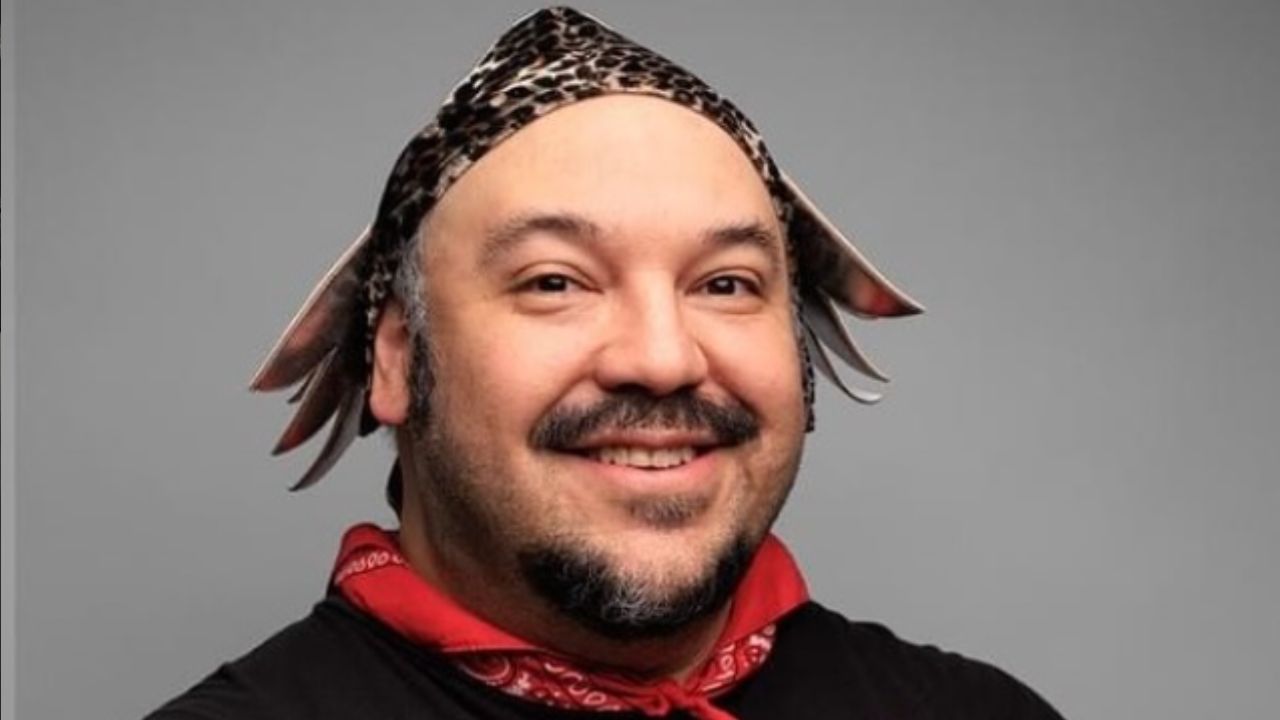
While Tribeca navigates controversy, legendary filmmaker Martin Scorsese is exploring AI in a different capacity.
Martin Scorsese embraces AI storyboarding technology
Partnering with Black Forest Labs as an advisor, Martin Scorsese is using FLUX AI technology to enhance his storyboarding process. He explained that after decades of sketching scenes by hand, AI now allows him to communicate his vision to cast and crew with greater clarity and efficiency. Scorsese framed his decision as part of cinema’s natural evolution.
ADVERTISEMENT
Article continues below this ad
He pointed out that filmmaking has always embraced new tools, referencing his use of 3D in Hugo and de-aging effects in The Irishman. For him, AI represents another step forward, offering a faster and more flexible approach to pre-production without compromising creative intent. Early tests reportedly felt liberating, enabling him to visualize complex sequences with speed and precision.
Scorsese now joins a small but influential group of filmmakers open to AI, alongside figures like James Cameron, while others, such as Guillermo del Toro remain firmly opposed. The divide underscores a broader industry reckoning as filmmakers, studios, and audiences grapple with how far AI should shape the future of cinema.
ADVERTISEMENT
Article continues below this ad
What do you think about AI’s growing role in filmmaking? Is it a necessary evolution or a threat to creativity? Let us know in the comments.
ADVERTISEMENT

Edited By: Aliza Siddiqui
ADVERTISEMENT
ADVERTISEMENT
