
Anime’s Billion-Dollar Boom Has a Catch: Why Some Studios Profit While Others Fall Behind
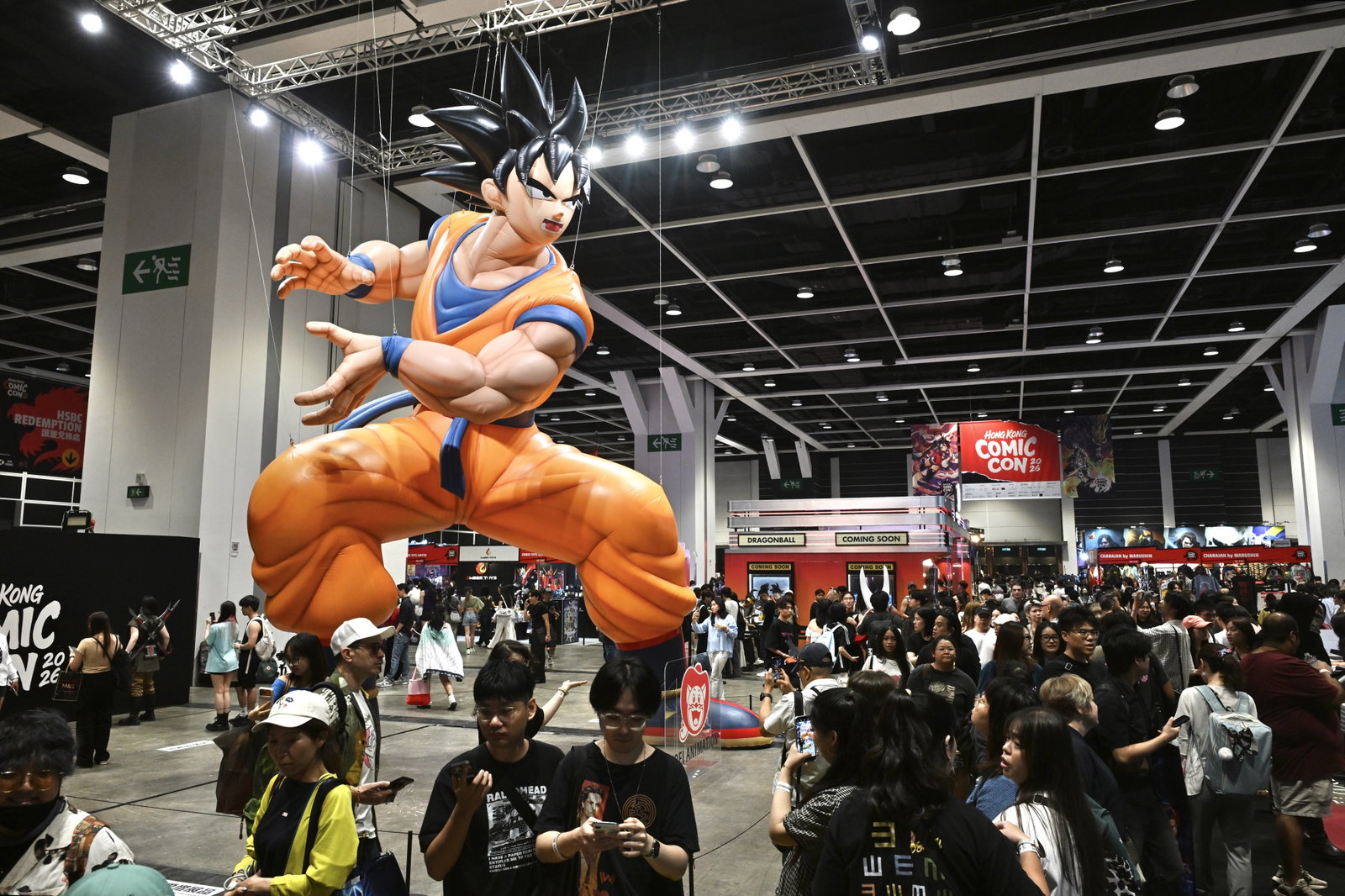
HONG KONG, CHINA - MAY 29: A giant installation of Son Goku, a classic character from the Japanese anime Dragon Ball, is displayed at Hong Kong Comic Con 2026 on May 29, 2026 in Hong Kong, China. Copyright: xChinaxNewsxServicex 111644876538
HONG KONG, CHINA - MAY 29: A giant installation of Son Goku, a classic character from the Japanese anime Dragon Ball, is displayed at Hong Kong Comic Con 2026 on May 29, 2026 in Hong Kong, China. Copyright: xChinaxNewsxServicex 111644876538
Anime’s billion-dollar boom is exposing a growing divide between studios that can invest in their productions and those struggling to reward the people who make them. Fujitsu Ryota, programming advisor for the Tokyo International Film Festival’s Animation section, says stronger compensation and the willingness to shoulder financial risks could determine which companies thrive.
His warning comes as Japanese animation attracts record international demand, raising a crucial question about who actually benefits from the industry’s success. From streaming giants such as Netflix and Crunchyroll to theatrical franchises that turn anime releases into global events, the business has never looked more lucrative.
Yet packed cinemas and expanding international audiences do not automatically translate into better pay for animators, directors, and production crews working behind the scenes.
Why anime studios that invest in talent have an advantage
In an interview with Variety, Fujitsu Ryota argued that the pay divide is closely connected to how much financial risk a studio is prepared to take.
“Given the high level of creativity demonstrated by animation professionals, their compensation is still not where it should be,” he said.
He challenged the assumption that a hit automatically generates profits that eventually reach its creators. Instead, he explained, companies capable of paying competitive wages can attract stronger talent, improving their chances of producing successful work.

Tokyo, Japan - february 5, 2022: Gintoki Sakata statue figure from anime and manga Gintama in Jump shop
Tokyo, Japan - february 5, 2022: Gintoki Sakata statue figure from anime and manga Gintama in Jump shop
The numbers illustrate the contradiction. According to the Association of Japanese Animations, the broader anime market reached a record ¥3.84 trillion ($24.5 billion) in 2024, with overseas revenue accounting for ¥2.17 trillion ($13.77 billion), or 56.5% of the total. However, Teikoku Databank reported that 20.9% of surveyed animation production companies experienced revenue declines that year. Fujitsu, as he told Variety, believes studios must examine their individual business models rather than treating compensation as one industry-wide problem.

But the challenge extends beyond salaries. The way anime is financed can determine which projects reach audiences in the first place.
Streaming growth could squeeze original anime productions
Major franchises have a commercial advantage because recognizable intellectual property can attract audiences, merchandise partnerships, and international distributors. Original animated films without established fan bases face a tougher financing battle, particularly in Japan, where public funding for animated features remains limited. Fujitsu Ryota warned that growing investment in streaming and established franchises could make independent projects harder to finance and distribute.

via Imago
Credits: Imago
The Tokyo International Film Festival’s Animation section is trying to highlight a wider range of creative voices, placing commercially backed projects alongside independent productions. Ryota said he does not see commercial and experimental animation as opposing forces. His approach recognizes that the industry's future depends not only on global hits but also on giving emerging creators opportunities to develop original ideas.
More sustainable funding, fairer compensation, and international co-productions could help smaller studios compete without sacrificing their creative ambitions. Anime's global popularity is undeniable, but its long-term success will depend on whether the people behind the screen share in that prosperity.

Do you think the industry can close its pay gap while continuing to expand worldwide? Share your thoughts in the comments.

Edited By: Adiba Nizami
