
'Avatar Aang' Sticks With Hand-Drawn Animation After Debating a 'Spider-Verse' Inspired 3-D Style
Credit: Paramount Plus
Credit: Paramount Plus
Avatar Aang: The Last Airbender has had a long and rocky journey, with delays, leaks, and plenty of fan attention surrounding its eventual release. Even before audiences got the final film, the project had become a talking point for both its return to the franchise and the pressure to live up to a beloved world.
One of the biggest surprises came from the animation plan, which almost looked very different.
Director explains why Avatar Aang: The Last Airbender stayed true to 2D roots
ADVERTISEMENT
Article continues below this ad
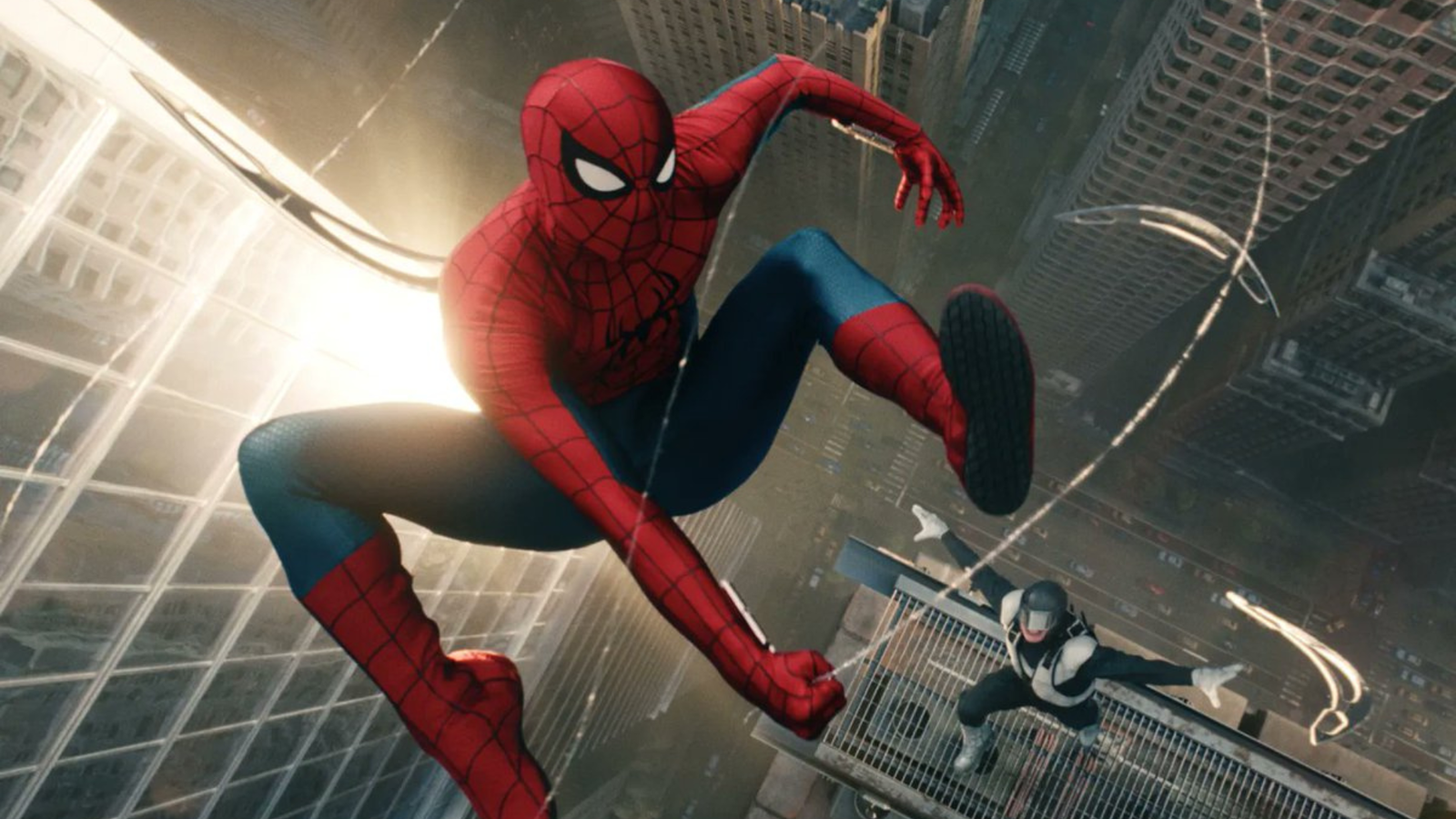
Director Lauren Montgomery said the team briefly debated a more stylized 3D approach inspired by Spider-Man: Into the Spider-Verse, but she quickly realized that would not fit this universe. Speaking at Comic-Con, she explained:
“This is Avatar. This is a love letter to Japanese anime. This needs to stay 2D.”
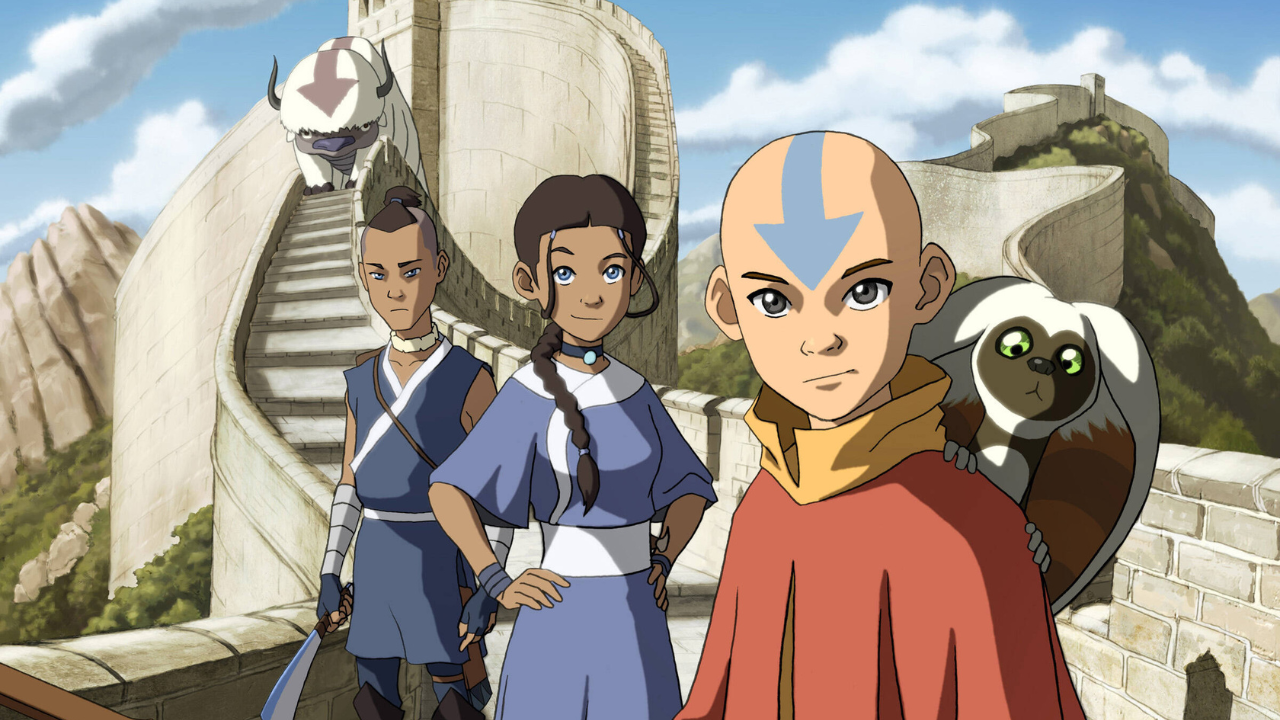
That idea became the guiding principle, keeping the film aligned with the hand-drawn identity fans associate with the franchise. Montgomery also emphasized that the decision was about protecting the medium as much as preserving the brand.
Credits: Paramount +
Credits: Paramount +
“There’s beautiful stuff being done in 3D,” she said as reported by IGN, “but as artists, we should be able to explore all these different mediums.” Her comments framed the choice as both creative and cultural, suggesting the team did not want to chase a trend when the story already had a strong visual language of its own.
The early concept art of an older Team Avatar only reinforced how carefully the filmmakers were balancing nostalgia with growth. By sticking with hand-drawn animation, the movie keeps the emotional texture and expressive movement that helped define the original series. It also gives the film a classic feel that should resonate with longtime fans while still looking polished enough for a new generation.
“We’re trying to keep this art form alive a little bit longer,” Montgomery added, underscoring the team’s commitment to 2D storytelling.
That creative choice also shapes how the film connects to the wider Avatar timeline.
Avatar Aang: The Last Airbender quietly builds toward The Legend of Korra
Avatar Aang: The Last Airbender is currently in theaters and does more than continue Aang’s story; it quietly lays important groundwork for The Legend of Korra. Set years after the original series, the movie shifts the focus from the old Team Avatar dynamic to the world Aang helped build, especially Republic City and the effort to preserve Air Nomad culture.
Credits: Paramount +
Credits: Paramount +
ADVERTISEMENT
Article continues below this ad
That makes it feel like a bridge between eras rather than just another adventure. A big part of that bridge is Aang’s decision to create a new Air Temple and gather Air Acolytes, even though airbending itself has not yet returned in full. The film also ends with the discovery of sky bison, which helps explain how the species is still around in The Legend of Korra.
Just as importantly, the movie suggests that spiritual balance can reopen lost possibilities, a theme that becomes central later when airbending begins reappearing across the world.The story also introduces social conflict that echoes Korra’s politics. The Denied, a group of nonbenders resentful of bending power, foreshadow the kinds of tensions that later explode in Republic City with the Equalists.
ADVERTISEMENT
Article continues below this ad
What do you think about the decision to keep Avatar Aang: The Last Airbender in hand-drawn animation instead of switching to 3D? Let us know in the comments.
ADVERTISEMENT

Edited By: Itti Mahajan
More from Netflix Junkie on Hollywood News



ADVERTISEMENT